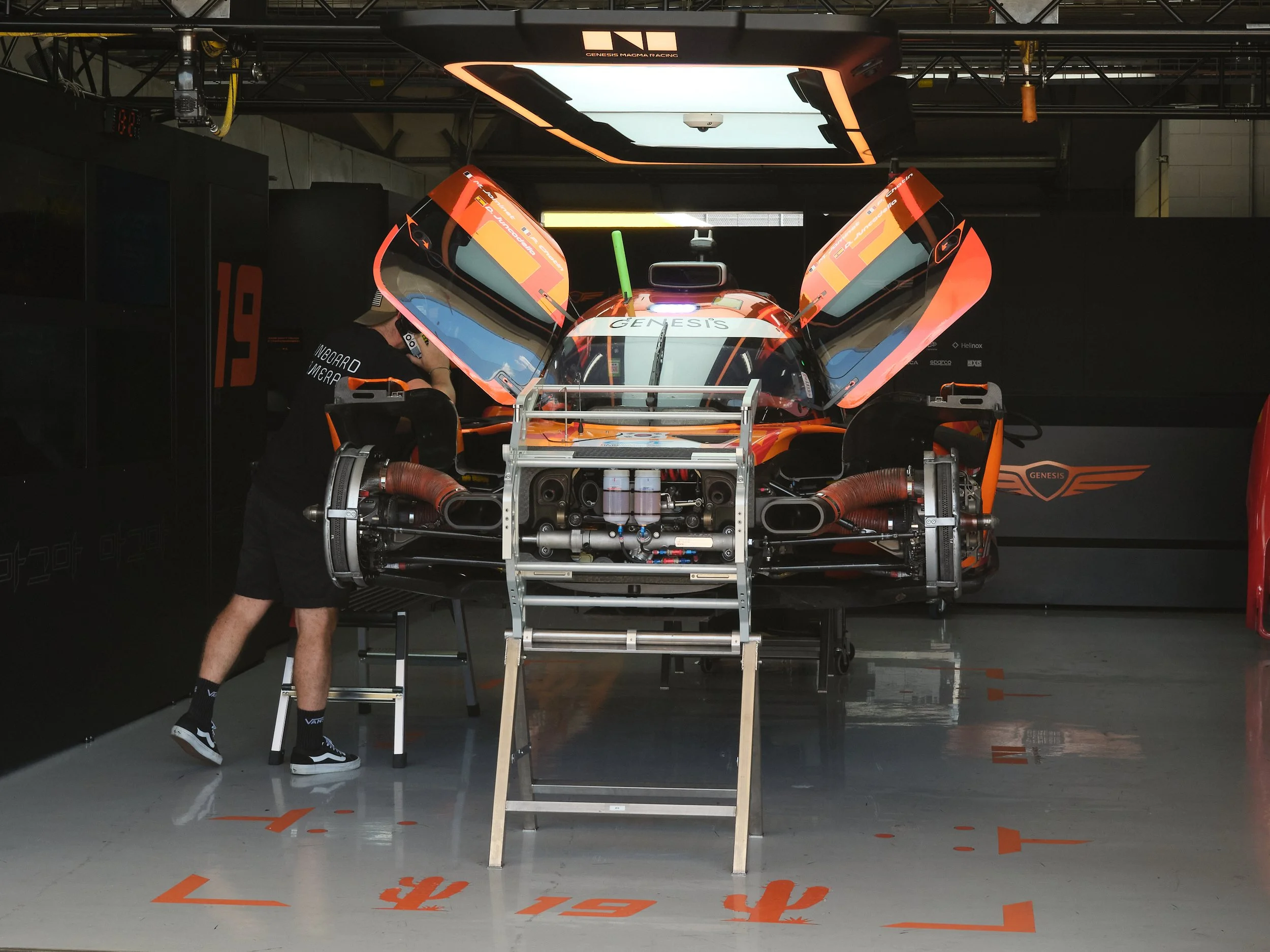
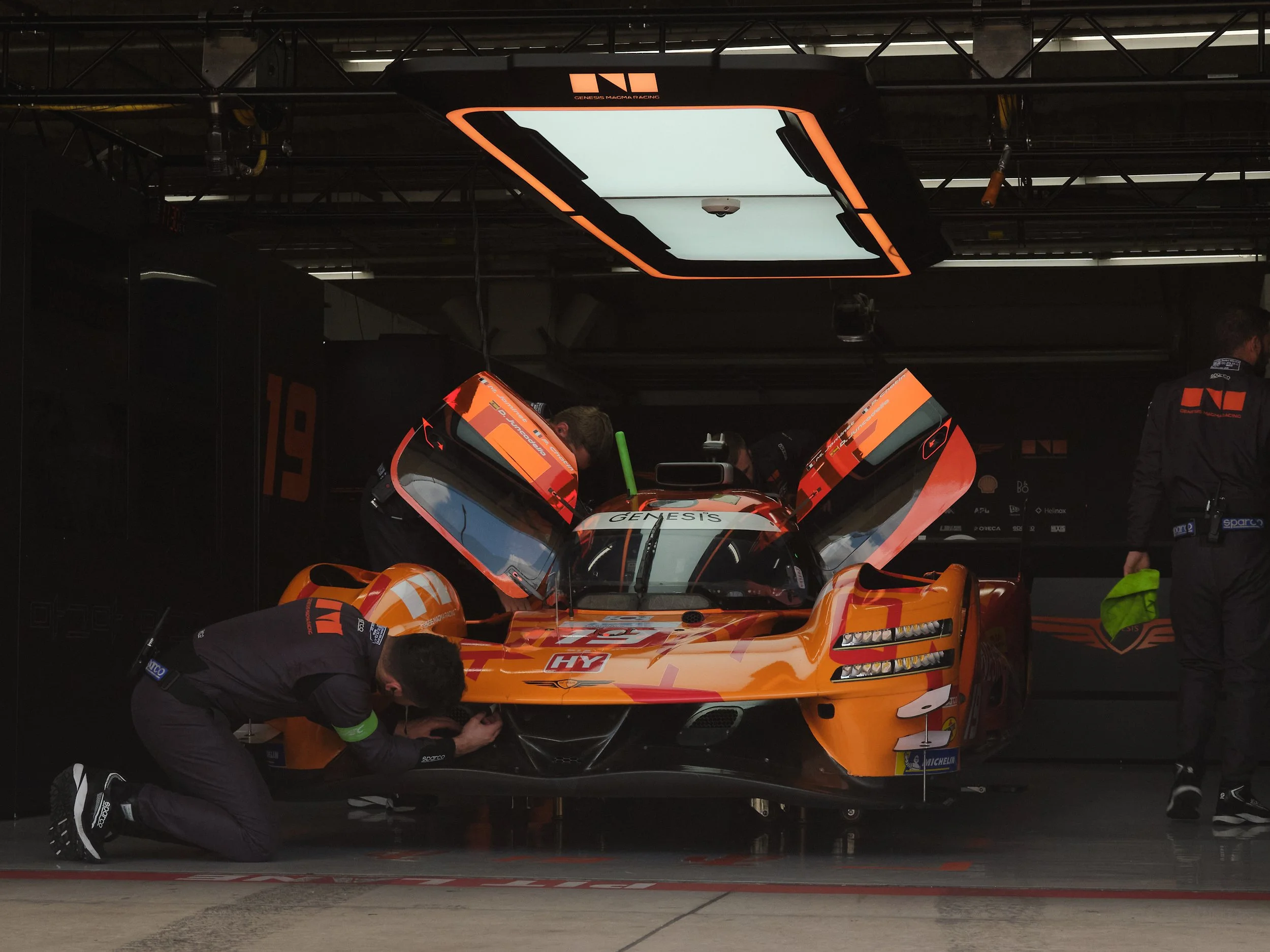
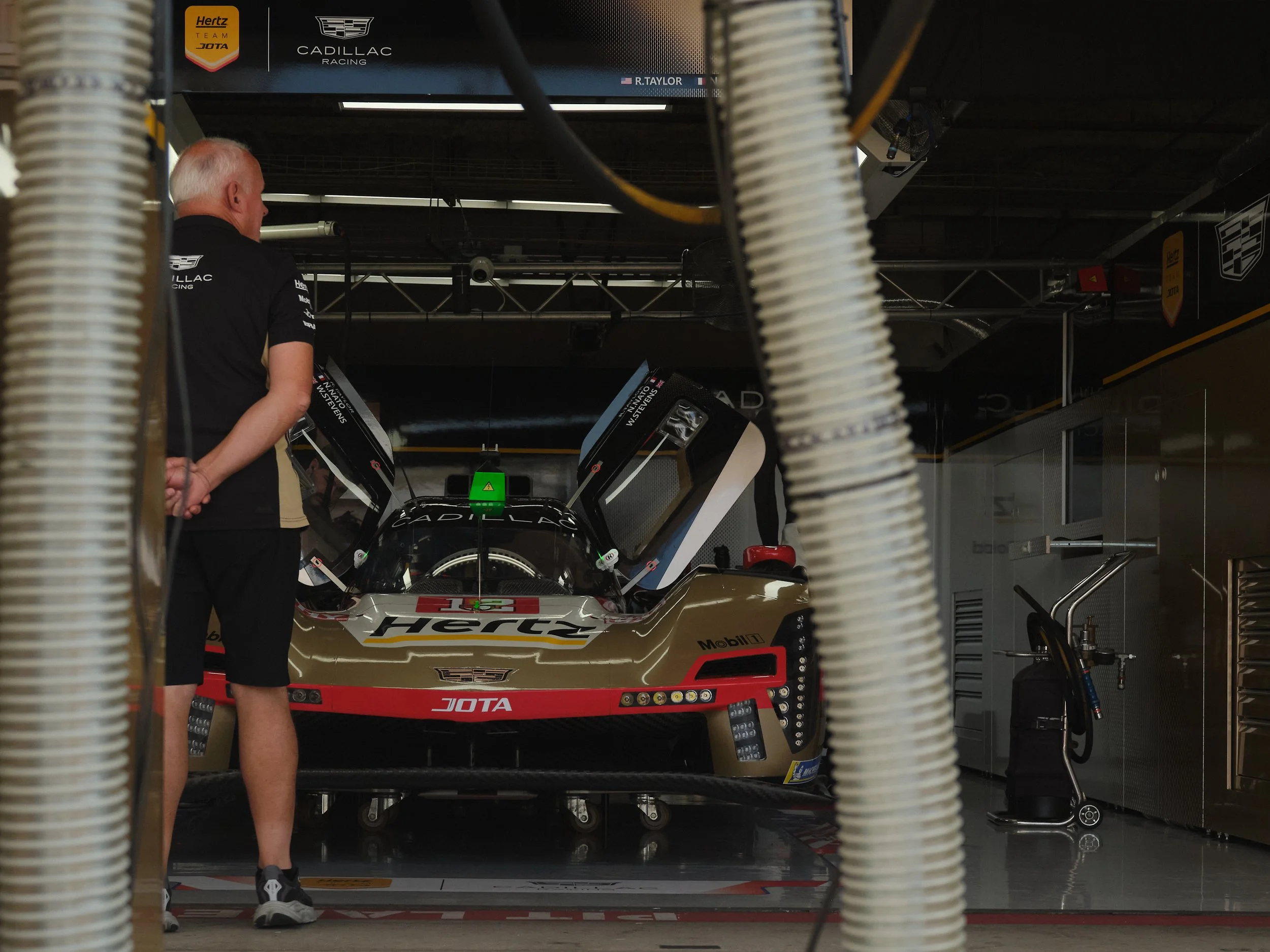
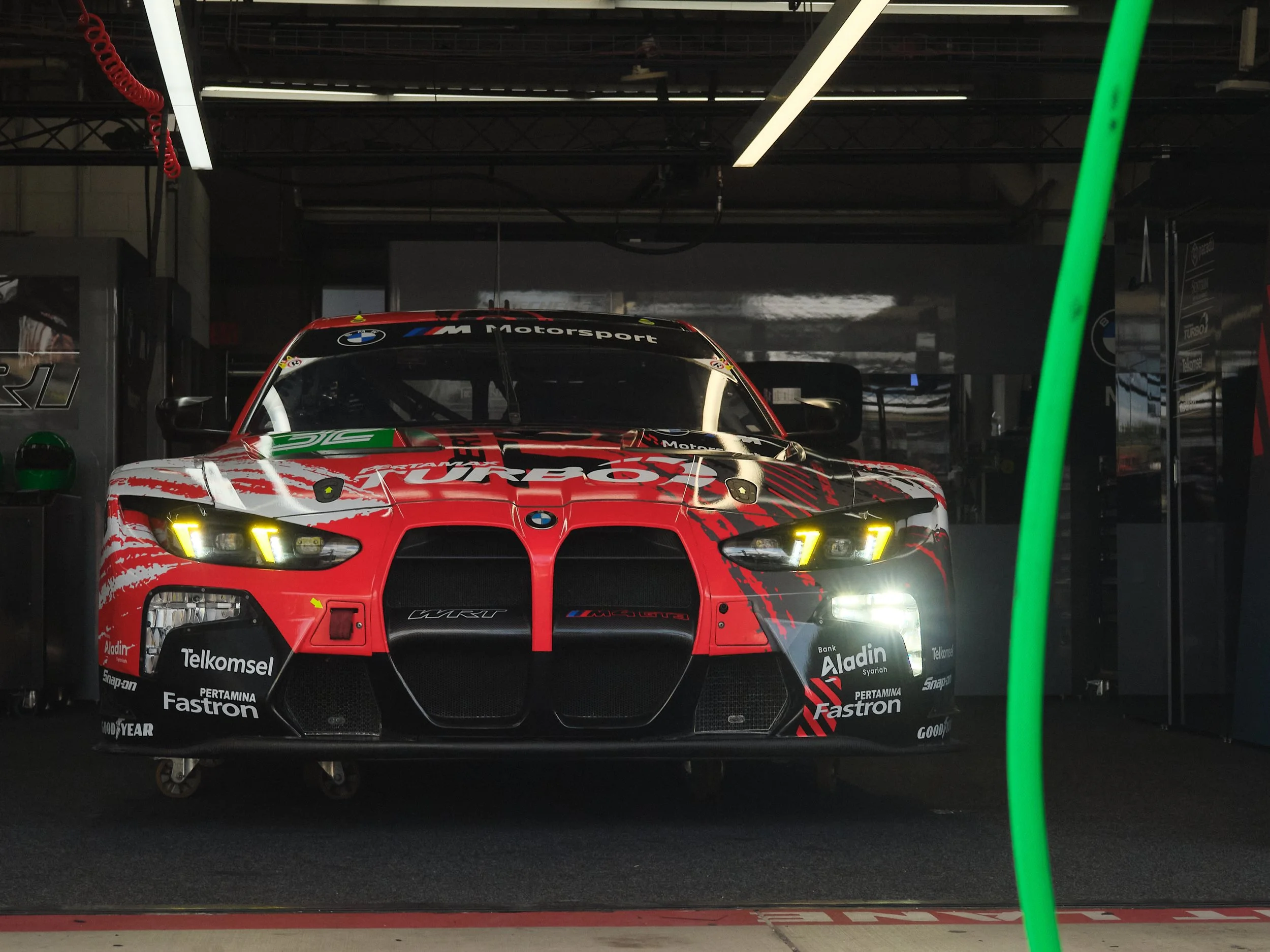
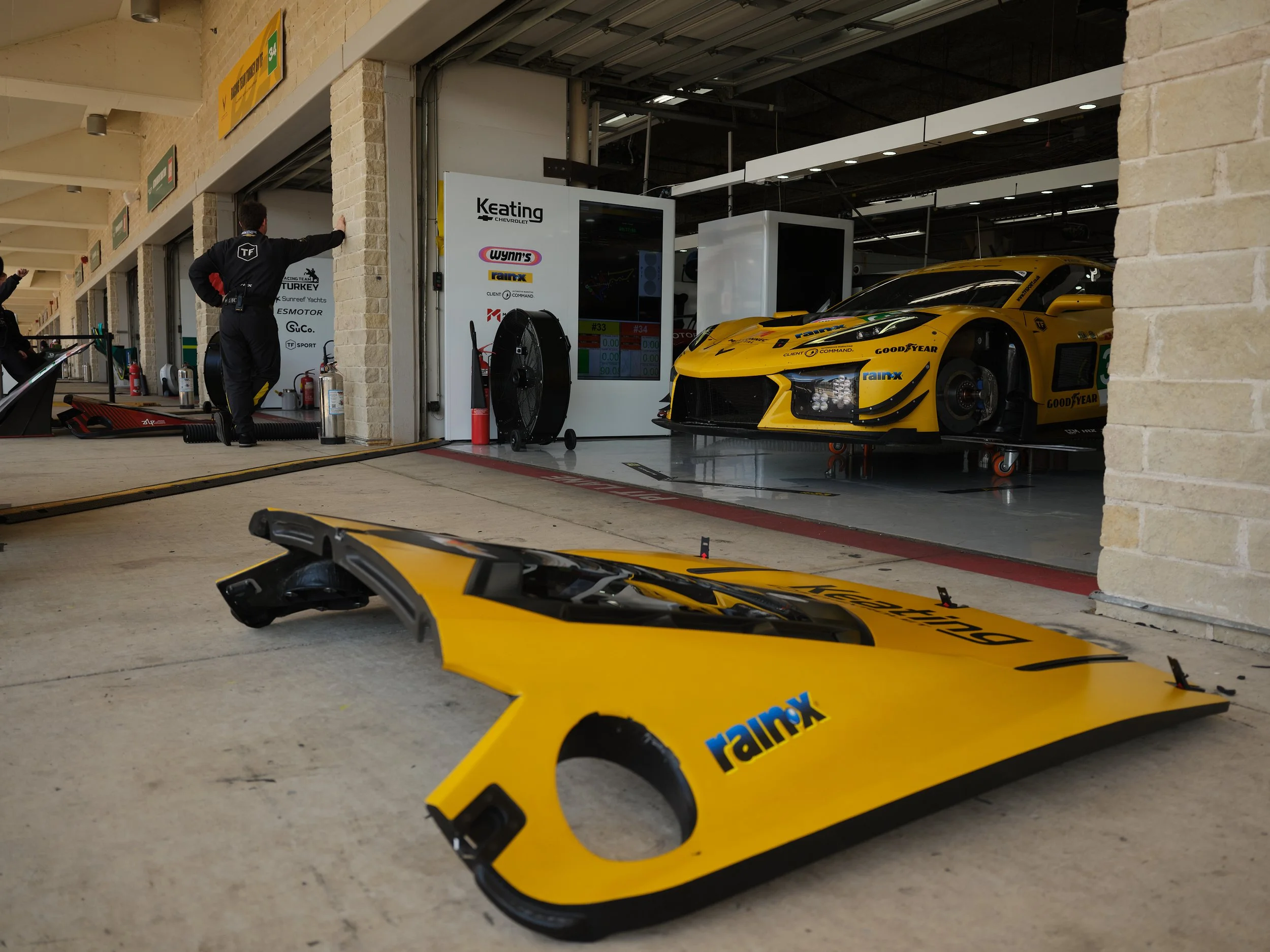
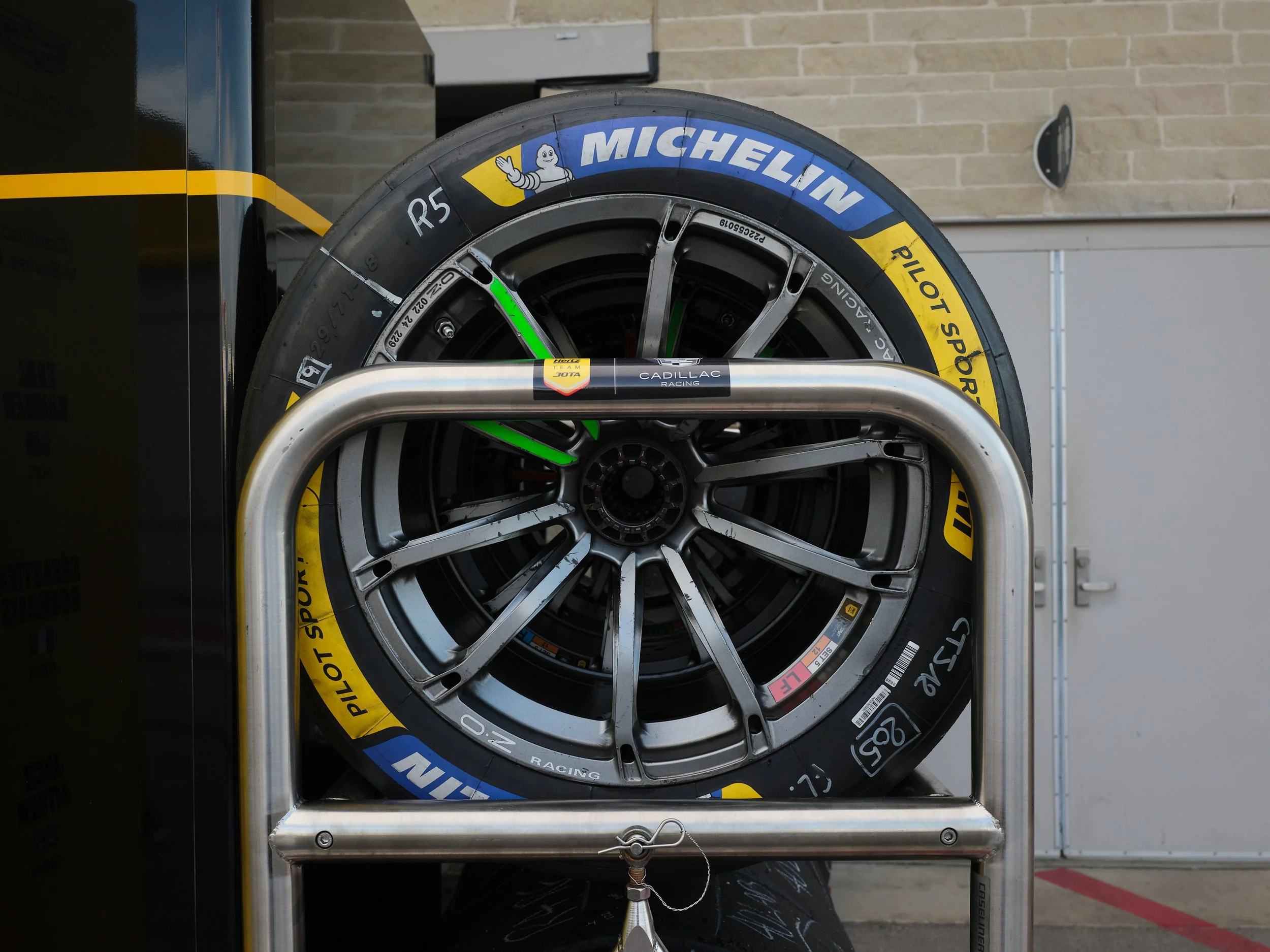
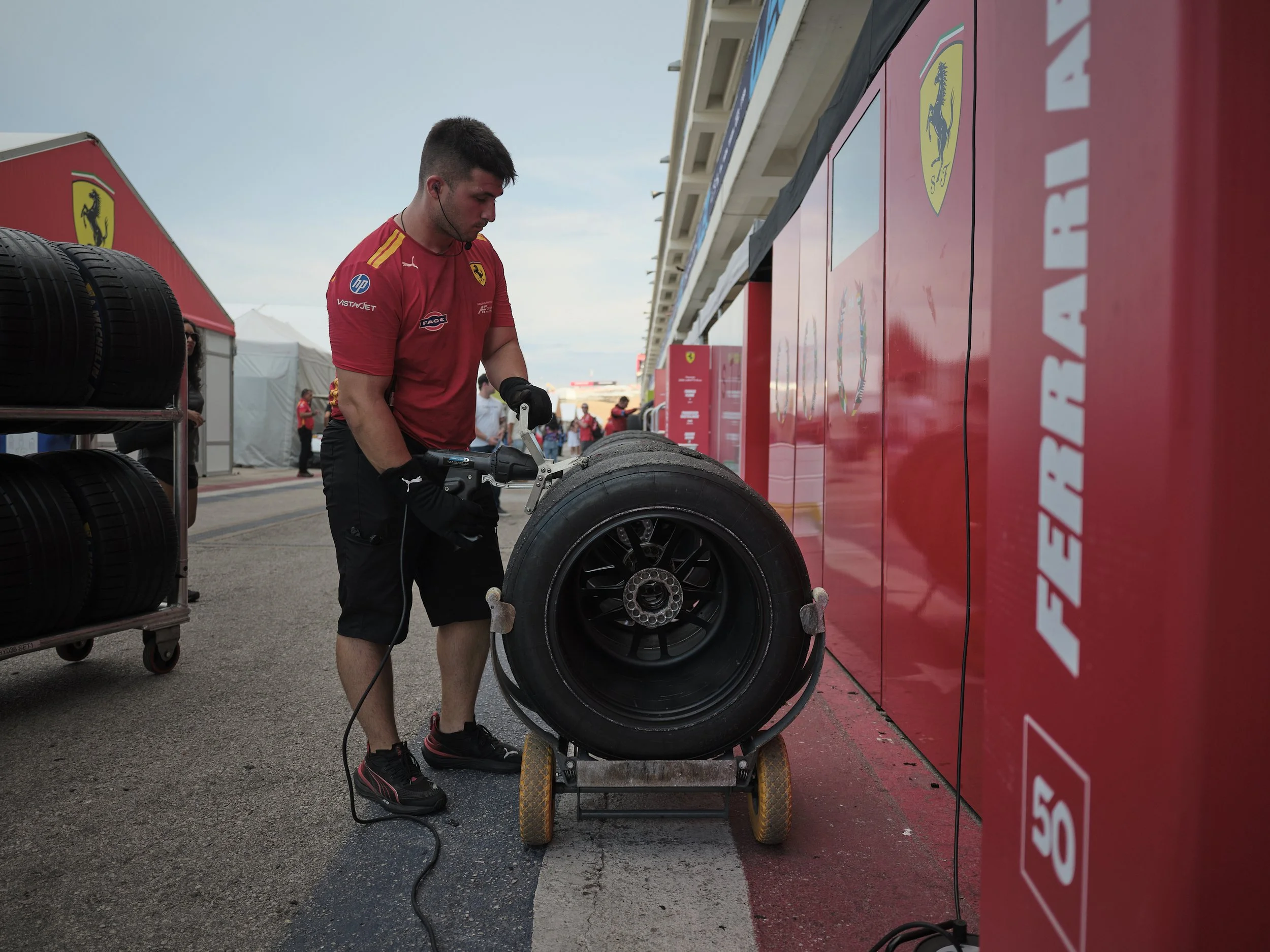
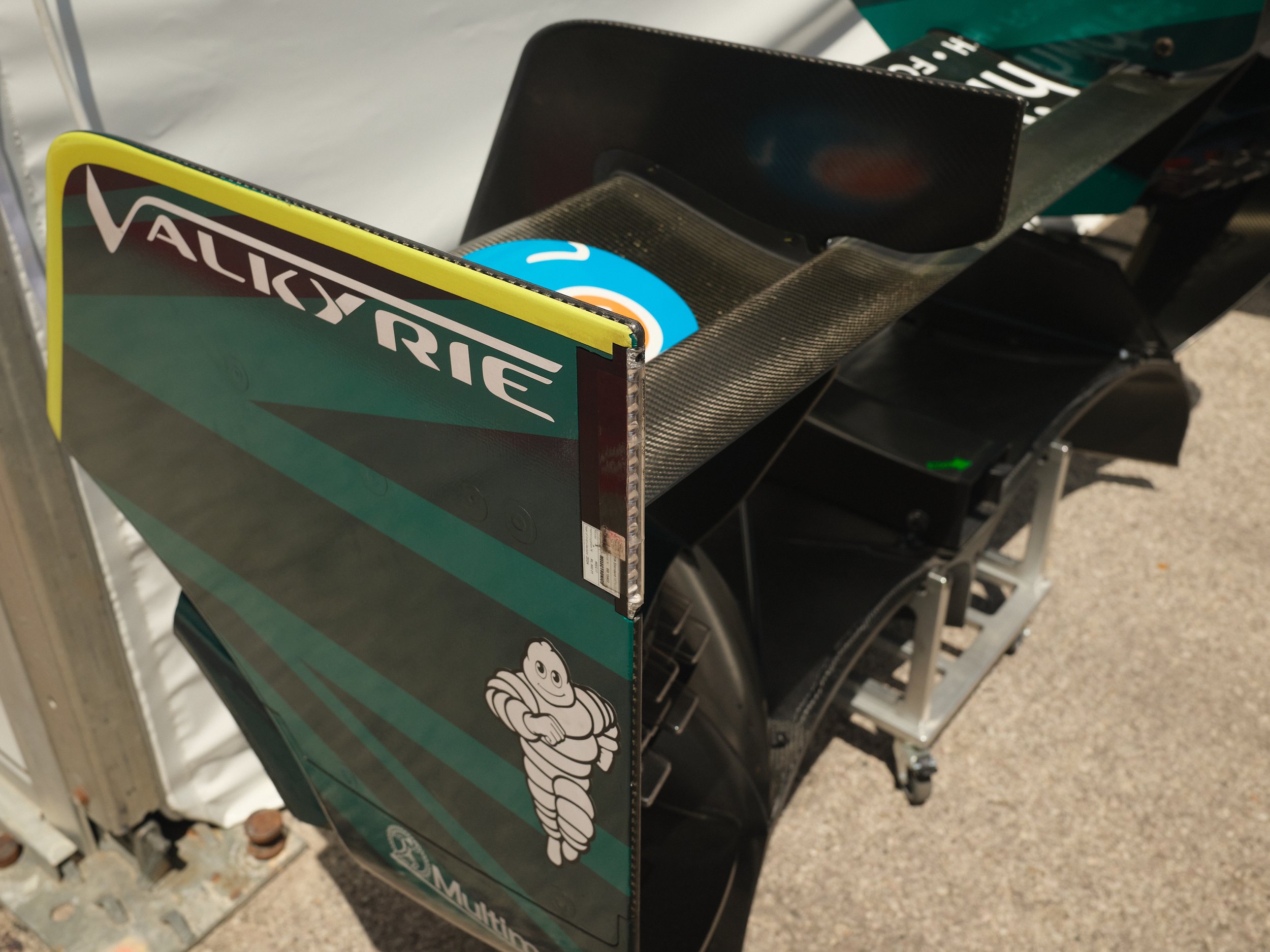
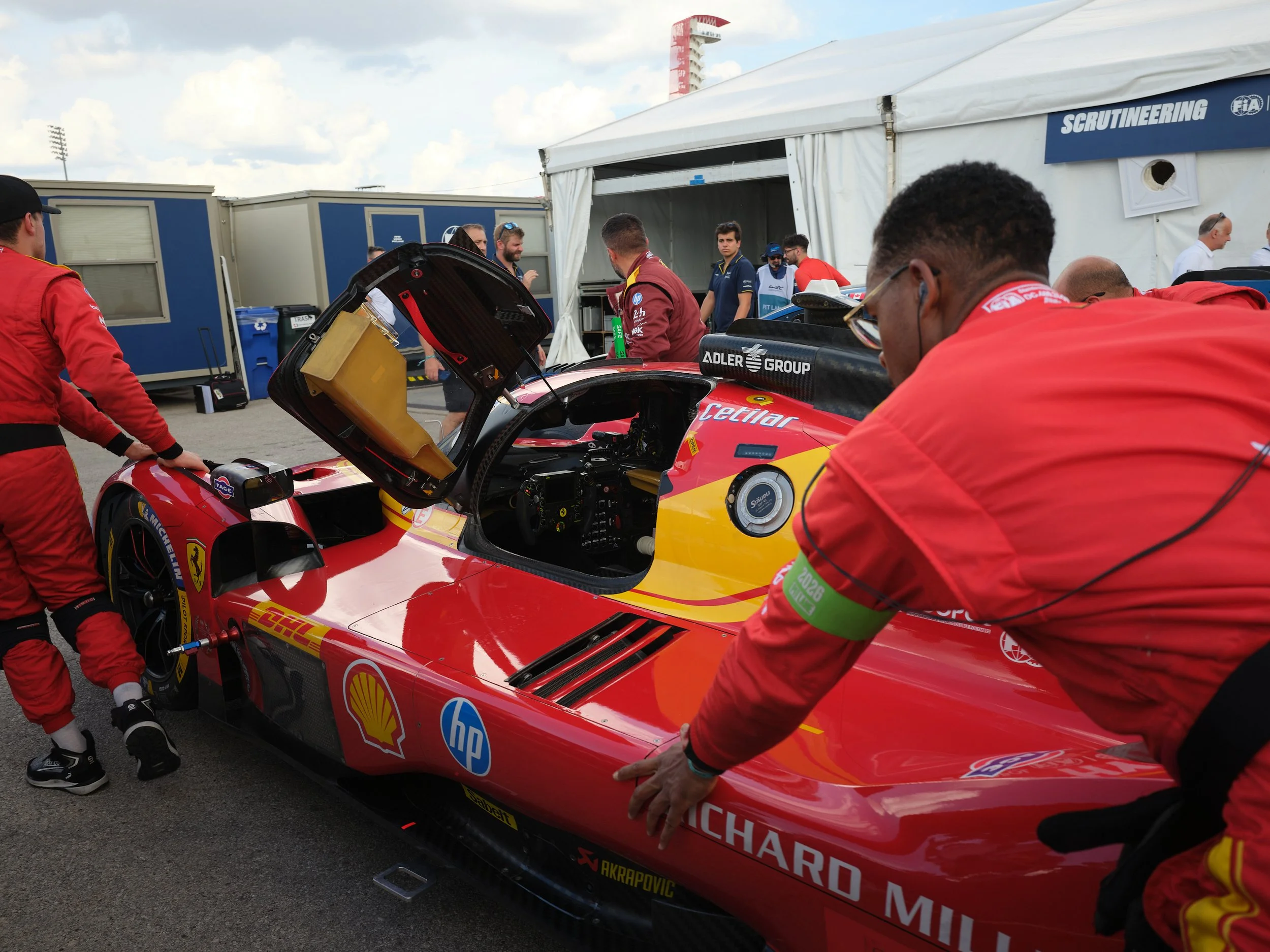
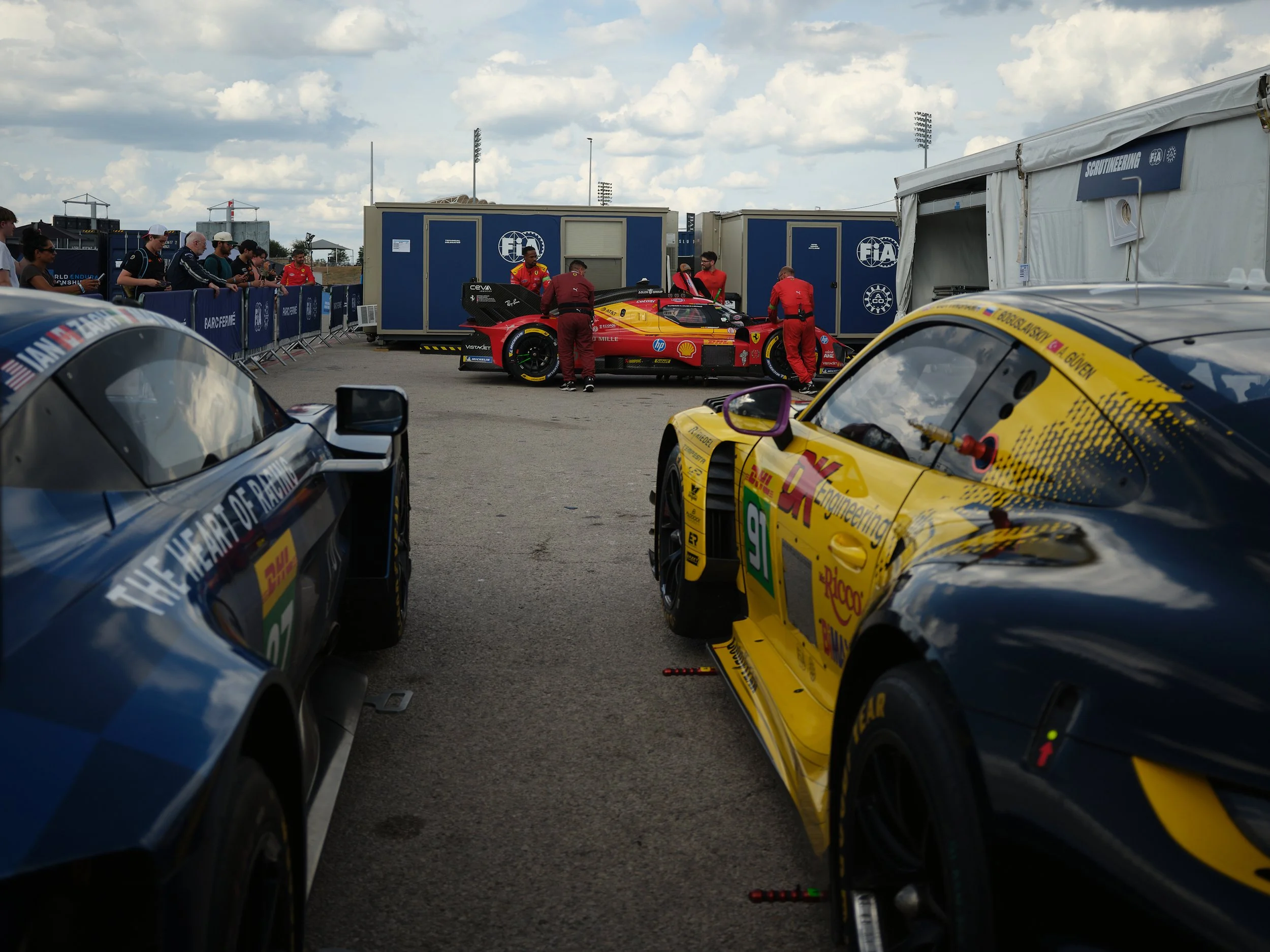
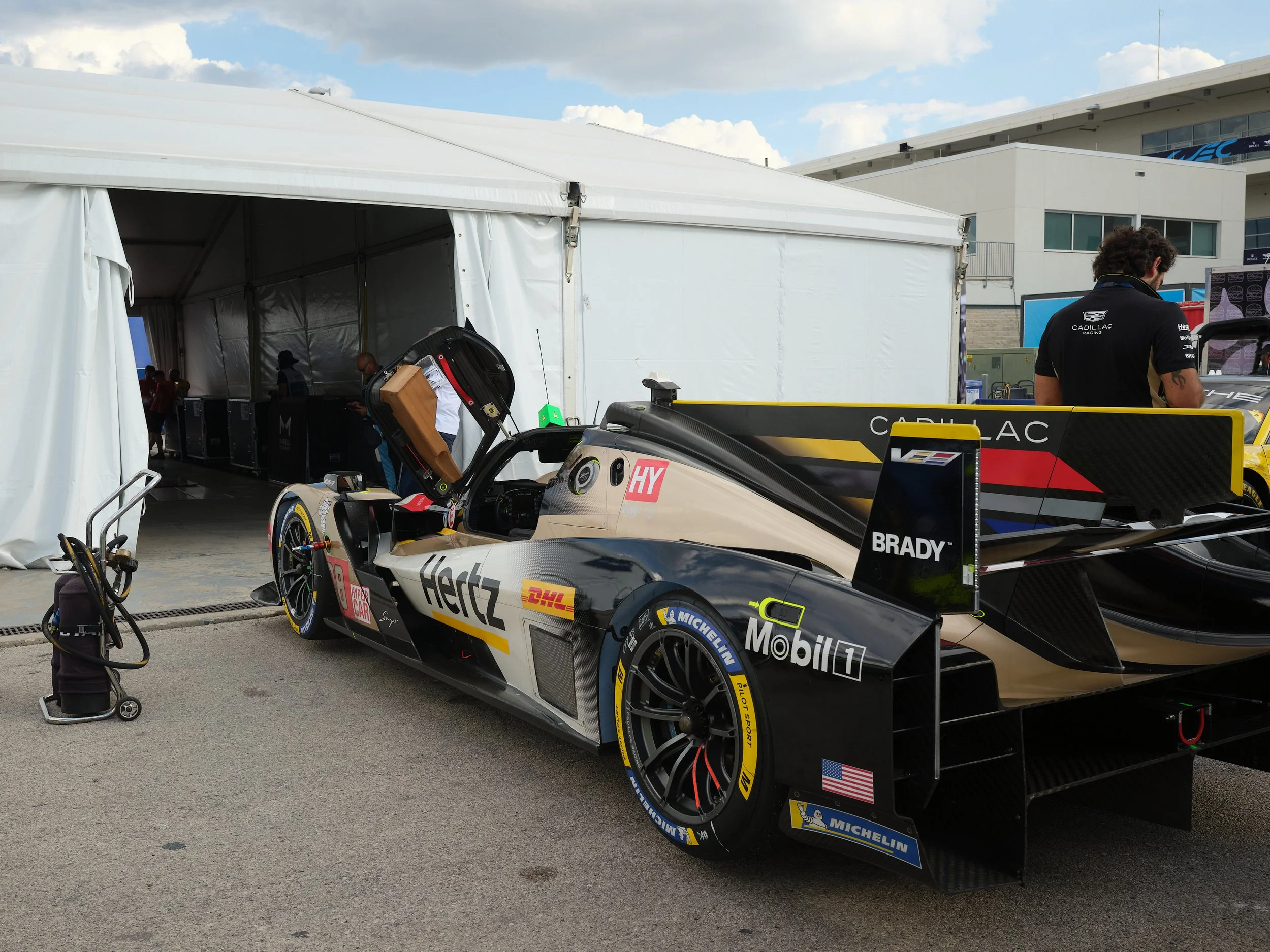
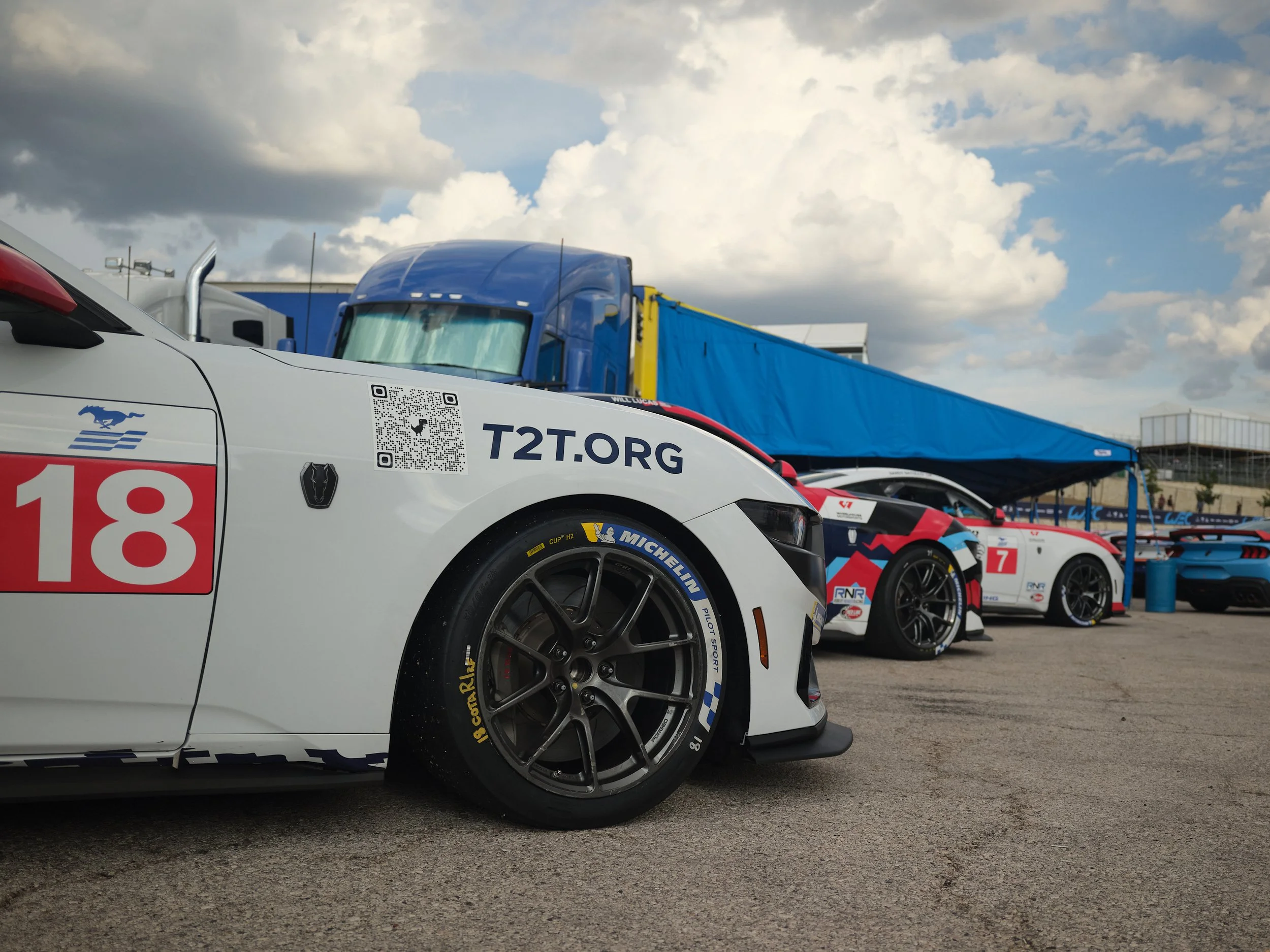
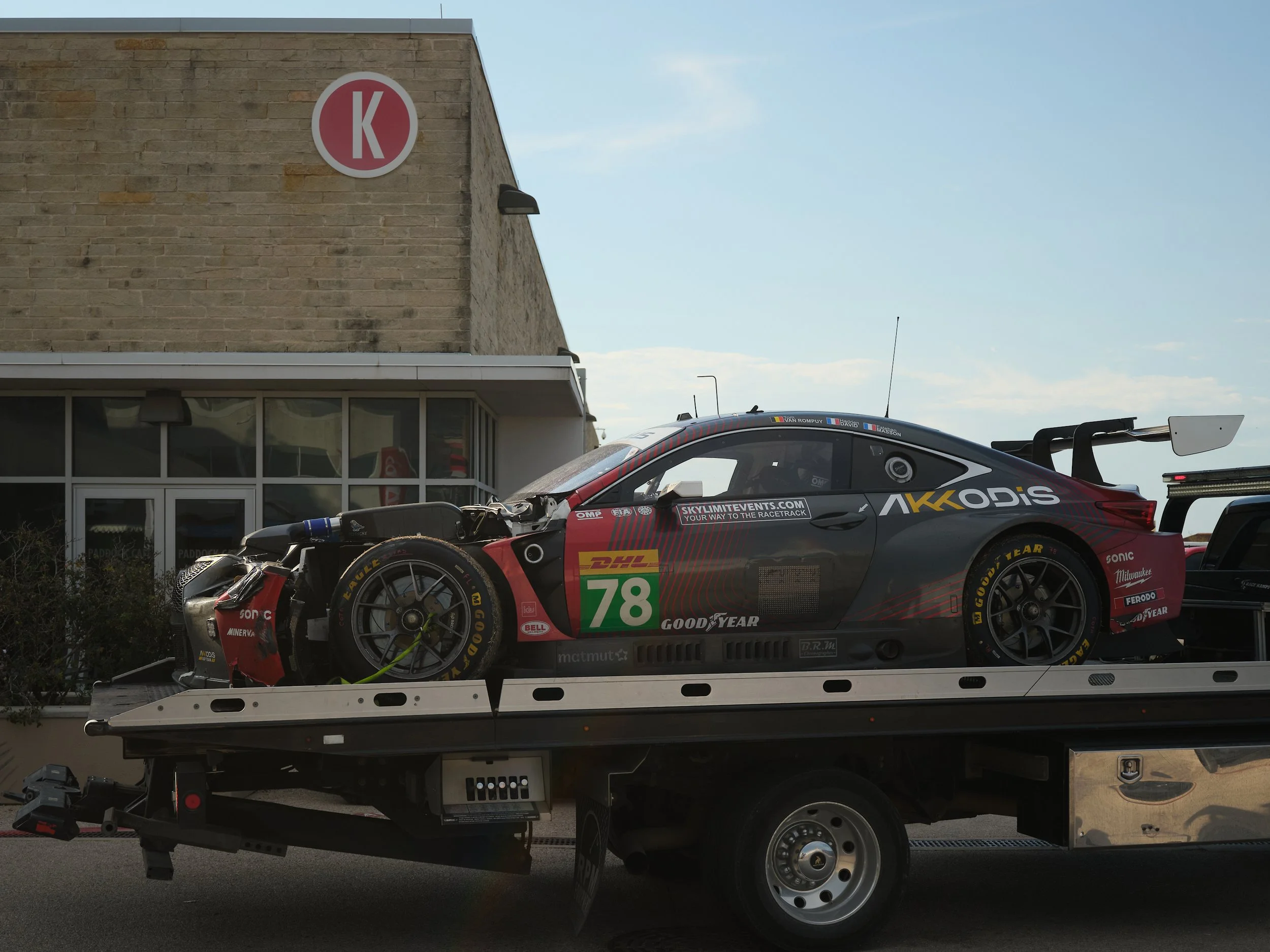
Attending the 2026 Lone Star Le Mans at Circuit of the Americas presented an opportunity to put the Fujifilm GFX100RF to the test in an environment where speed, distance, and timing make every shot a challenge. Photographing a motorsport race with a fixed-lens medium-format camera isn't the normal choice for most photographers.
Keep in mind, the blazing sun and heat in Texas during early September was absolutely brutal. Not having to carry a backpack full of lenses, a large camera body, and a monopod was a huge positive for the GFX100RF. I was fully aware of the limitations on what type of images I could realistically capture.
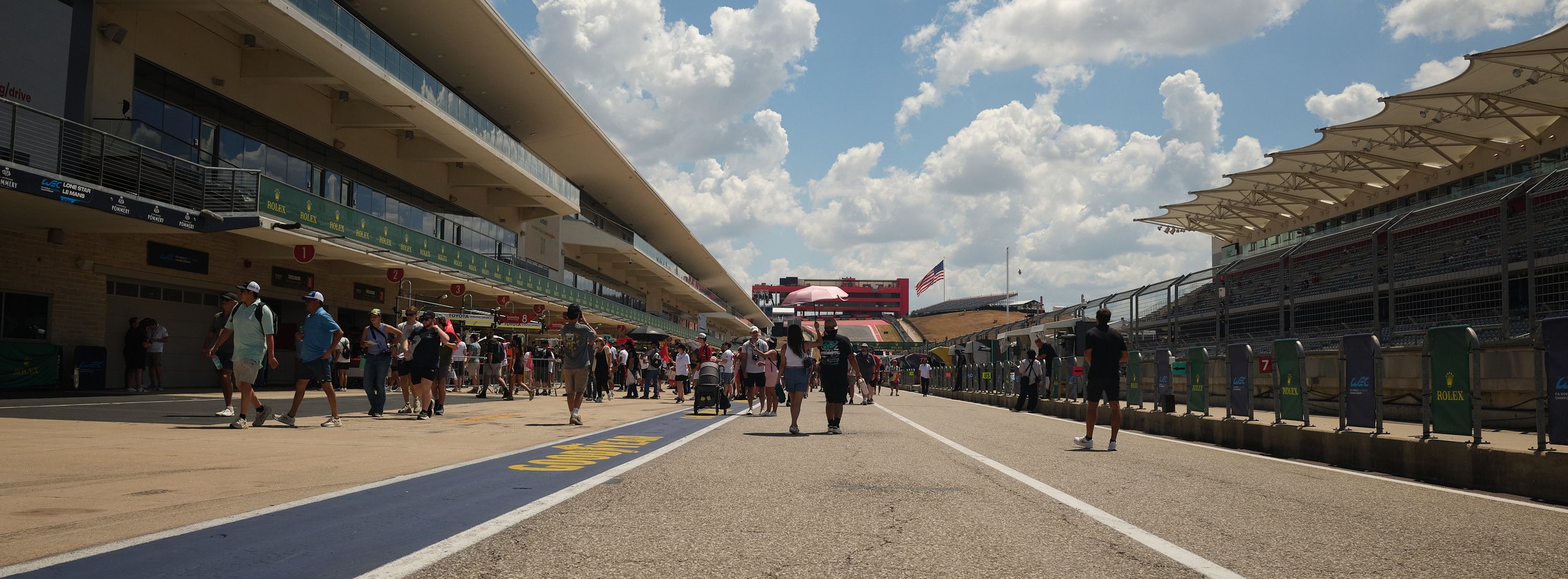
With its fixed 35mm lens, the GFX100RF required a different approach to what I saw and how to capture the moment. Rather than relying on long telephoto lenses, I had to work within the camera's limitations, and look for compositions that incorporated more of the surrounding environment. The camera's versatility became part of the experience. Switching between aspect ratios, dialing in the digital teleconverter, and ease using a built-in ND filter opened up creative possibilities. The X-Pan-inspired 65:24 format was particularly interesting, lending a cinematic perspective to the cars and the surrounding environment.
All photos are directly from the RAF raw files with Fujifilm Provia Standard simulation applied to the outputs. The colors from this camera are simply amazing without adding a recipe. I also was using a Haoge MC UV Lens Protection filter to fit within a compact AER Day Sling 4 for carrying the camera. No lens hood was used during this weekend.
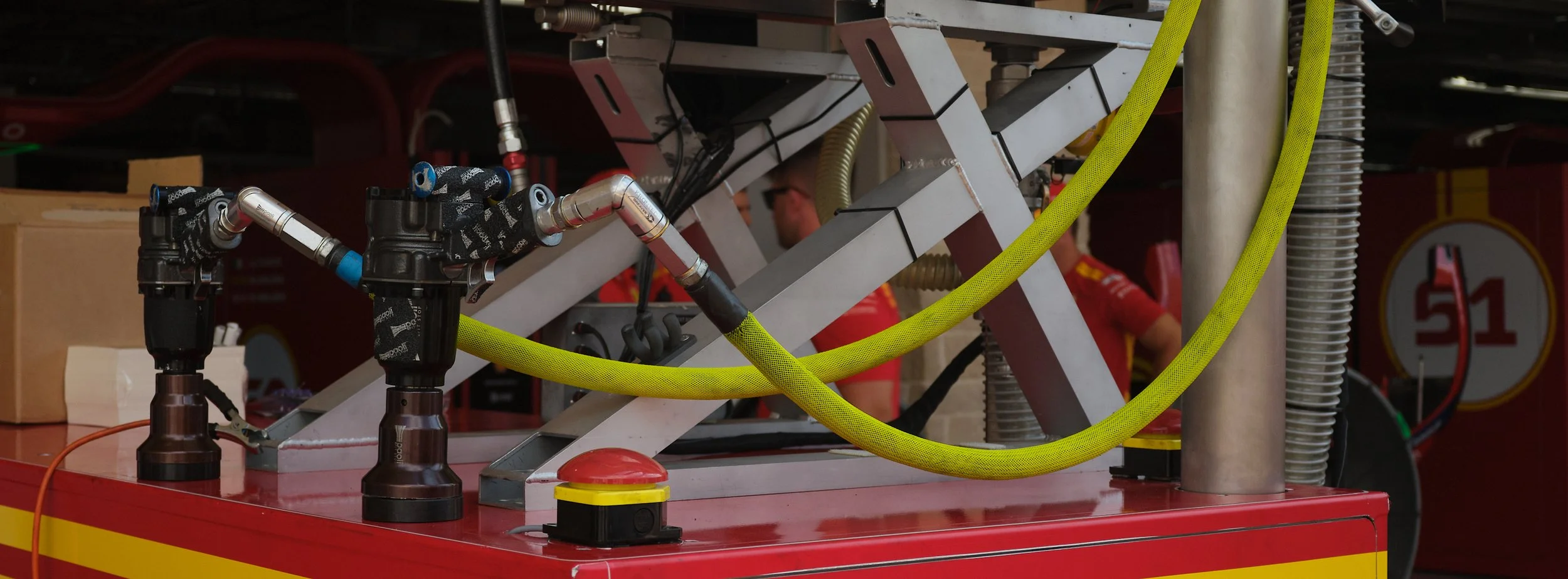
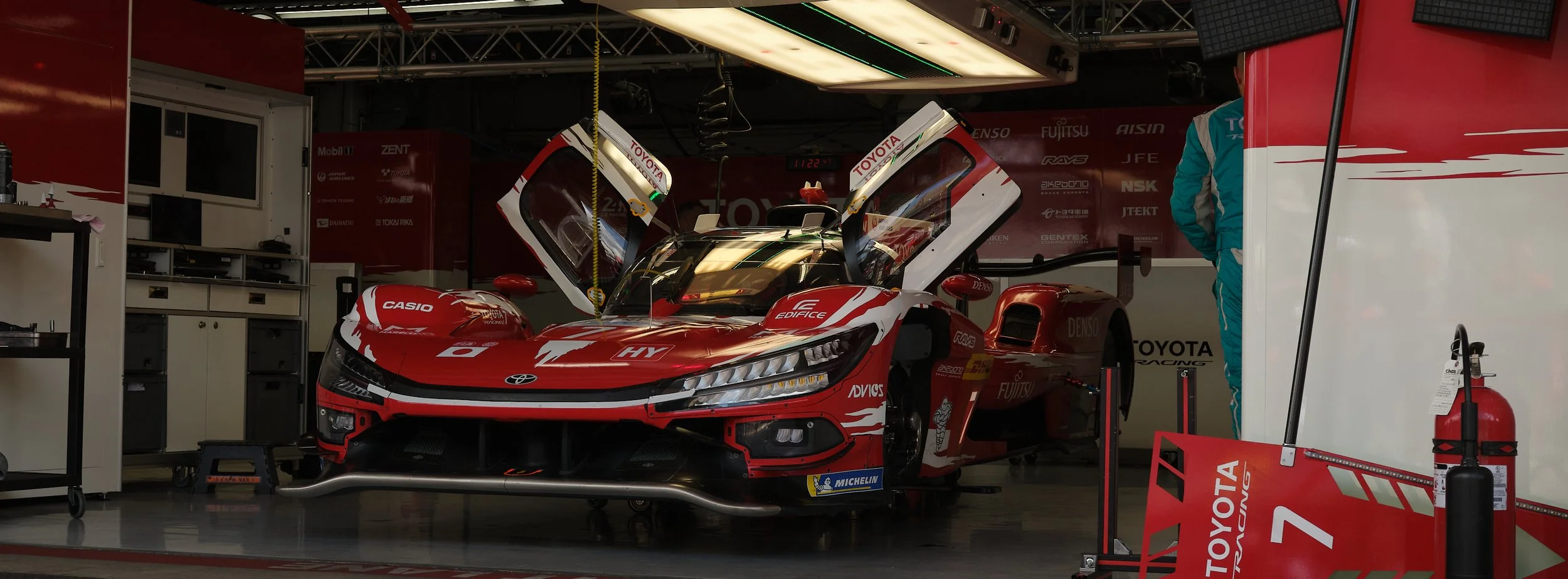
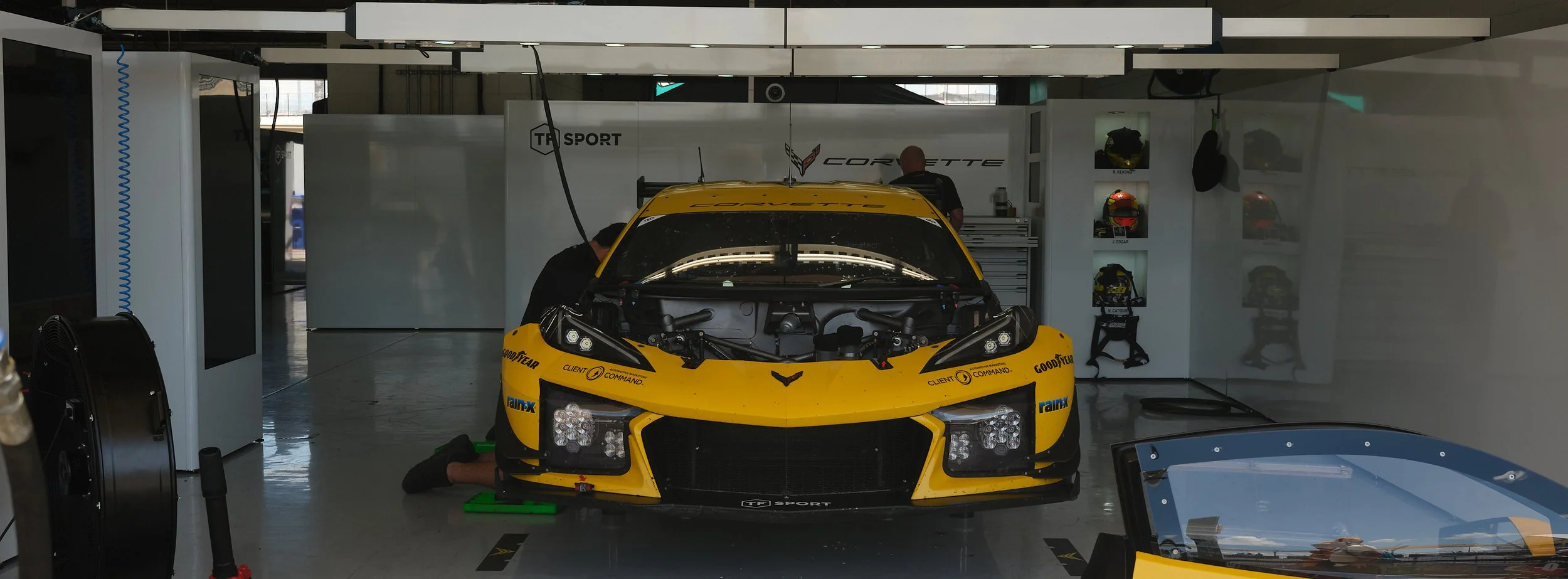
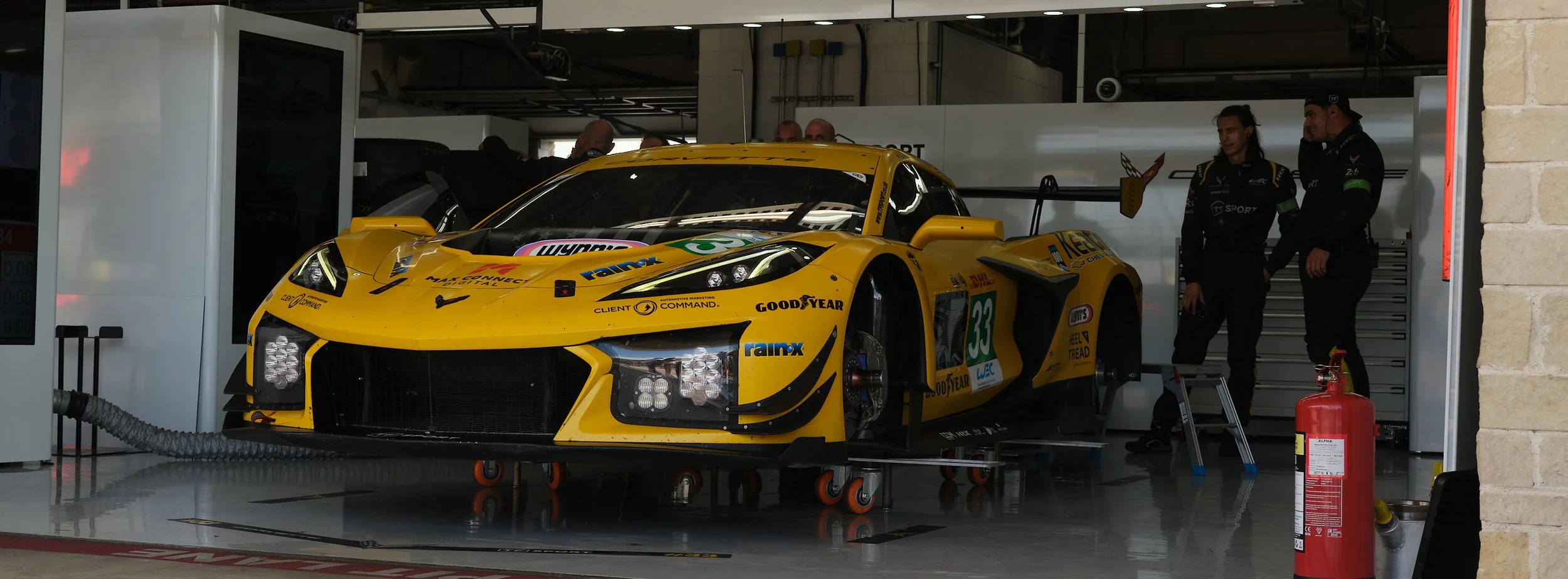
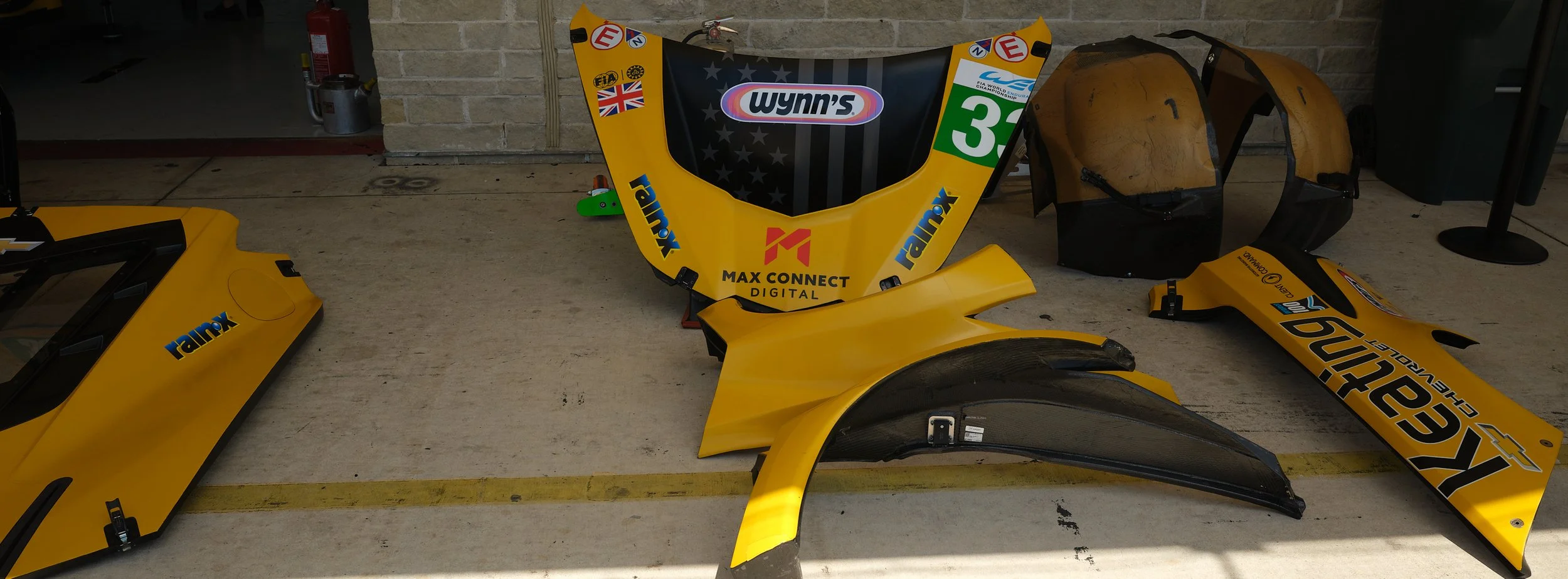
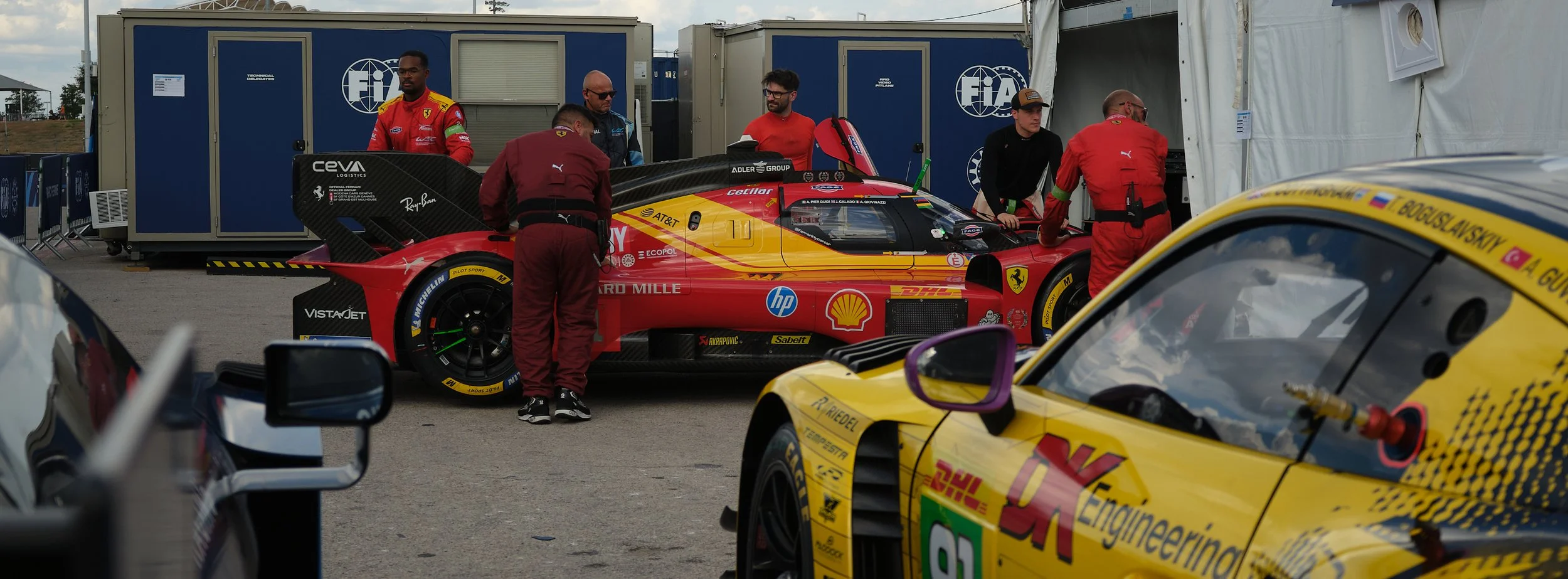
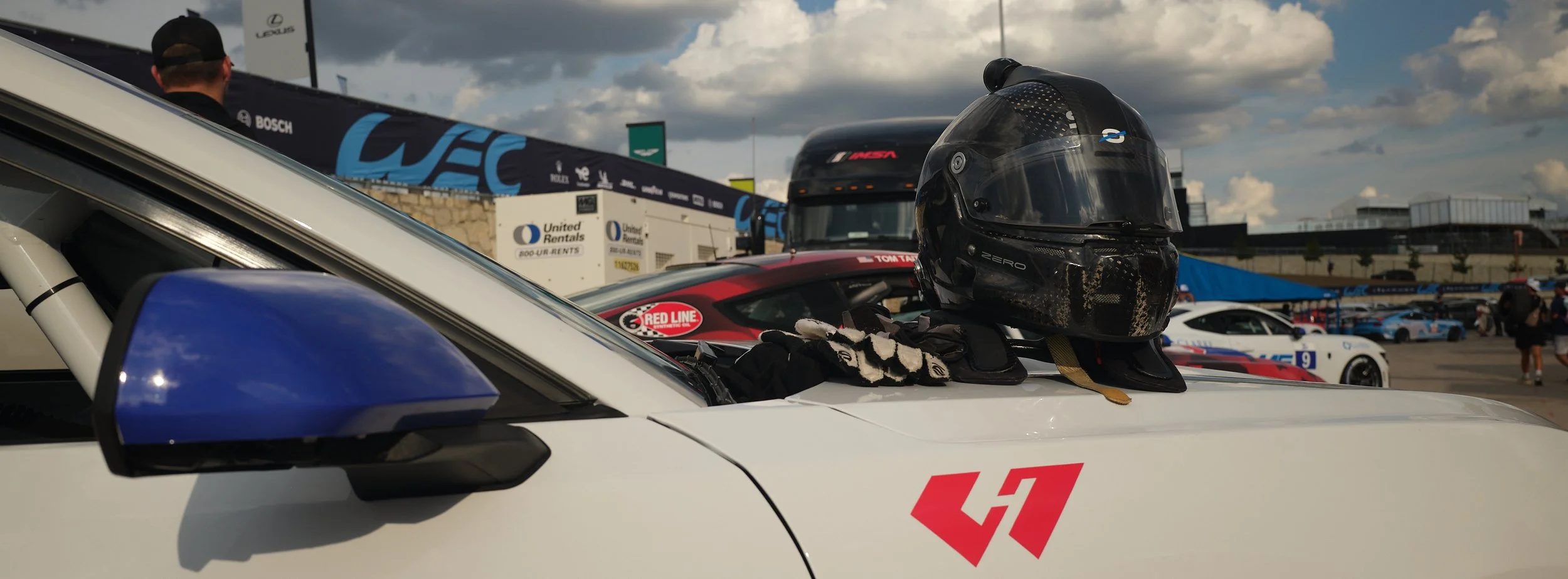
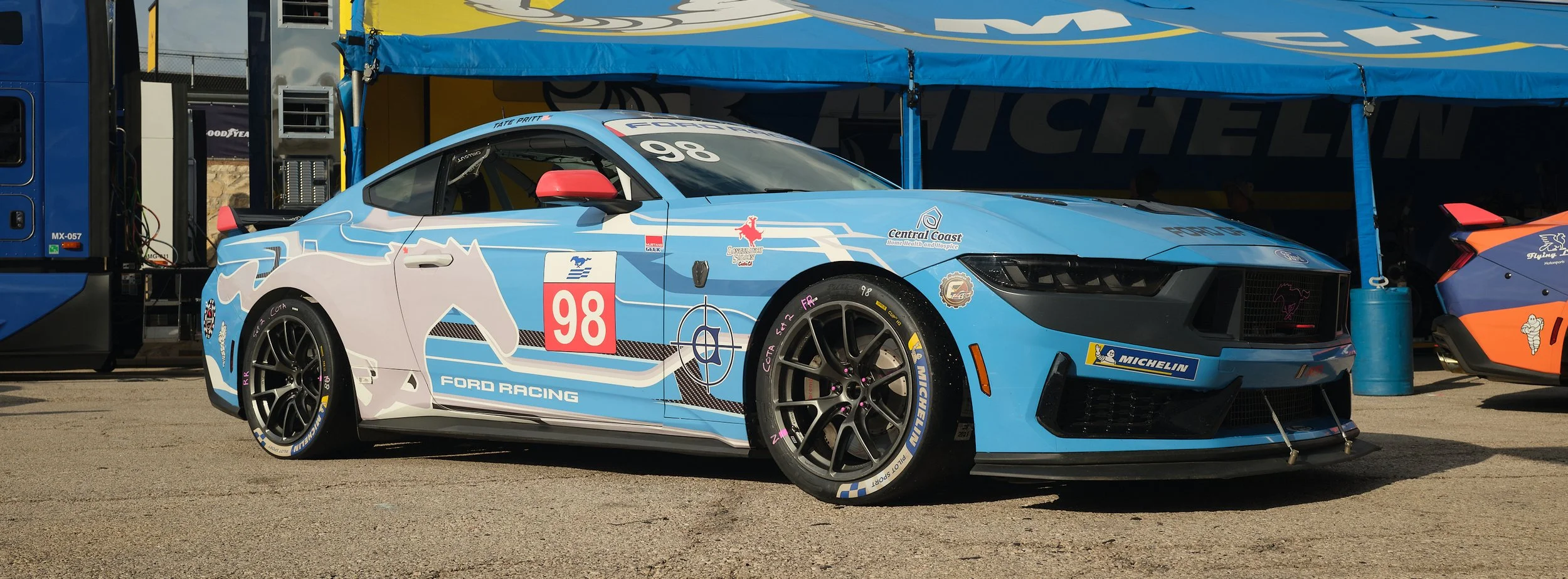
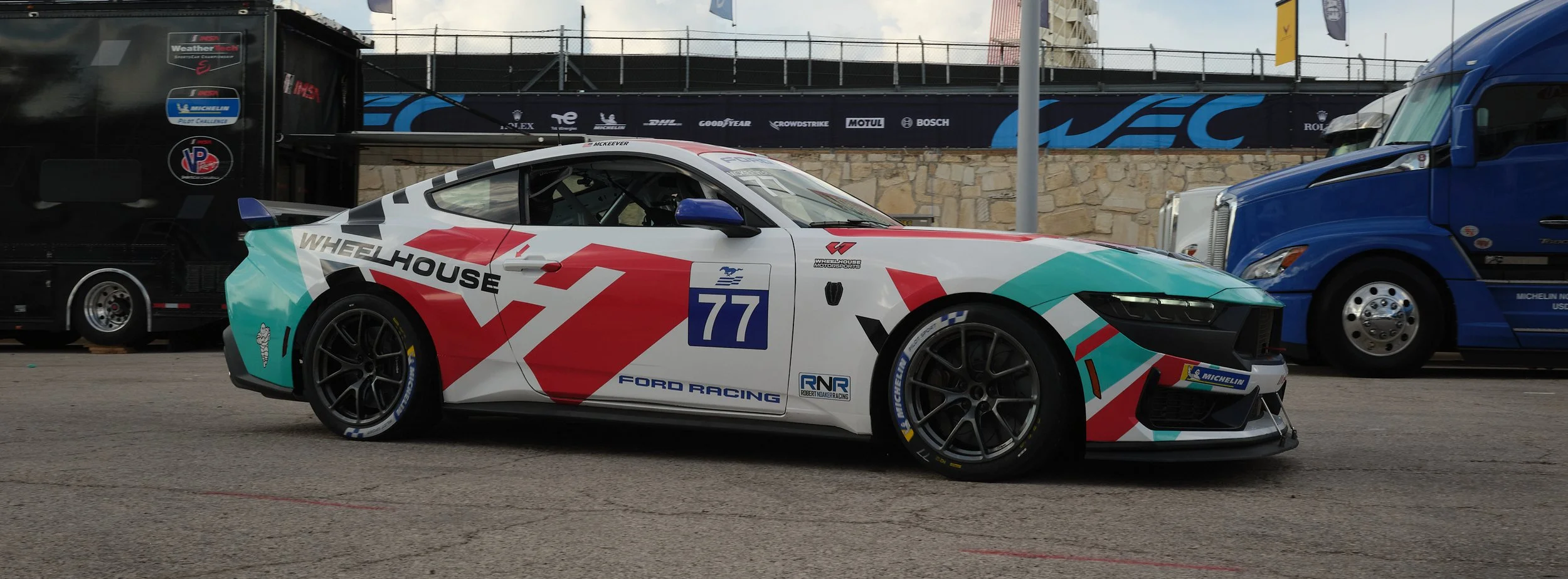
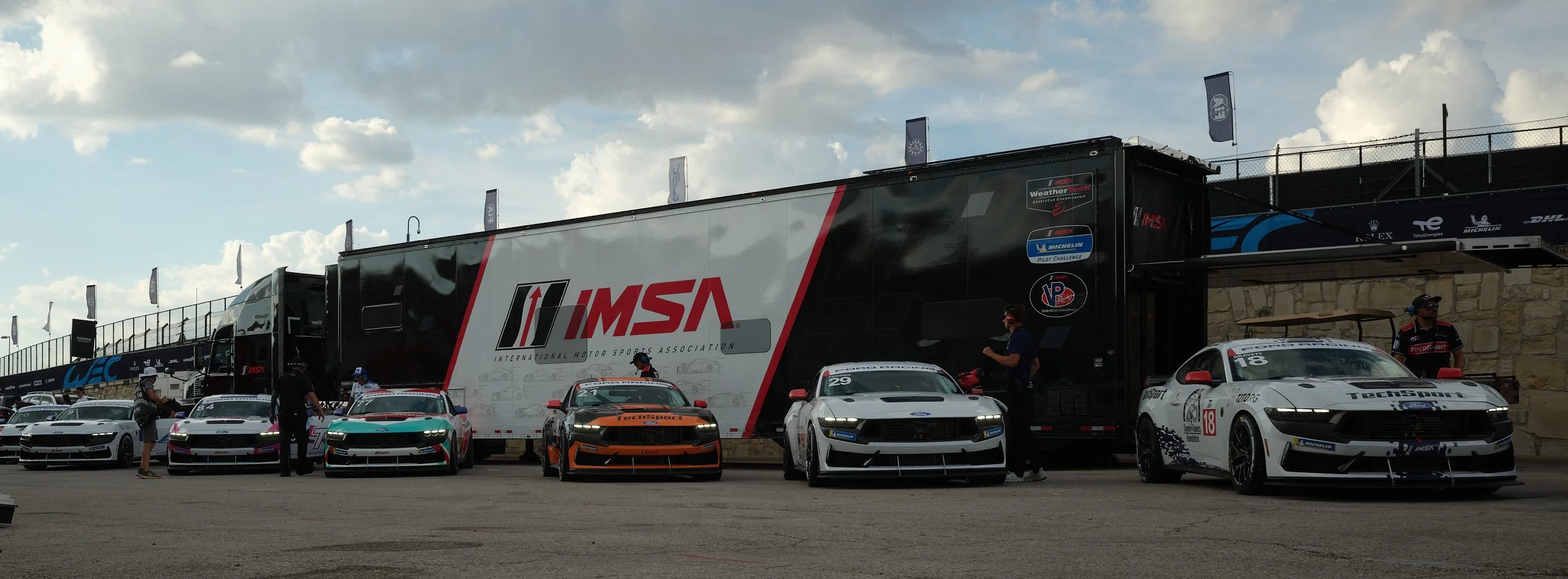
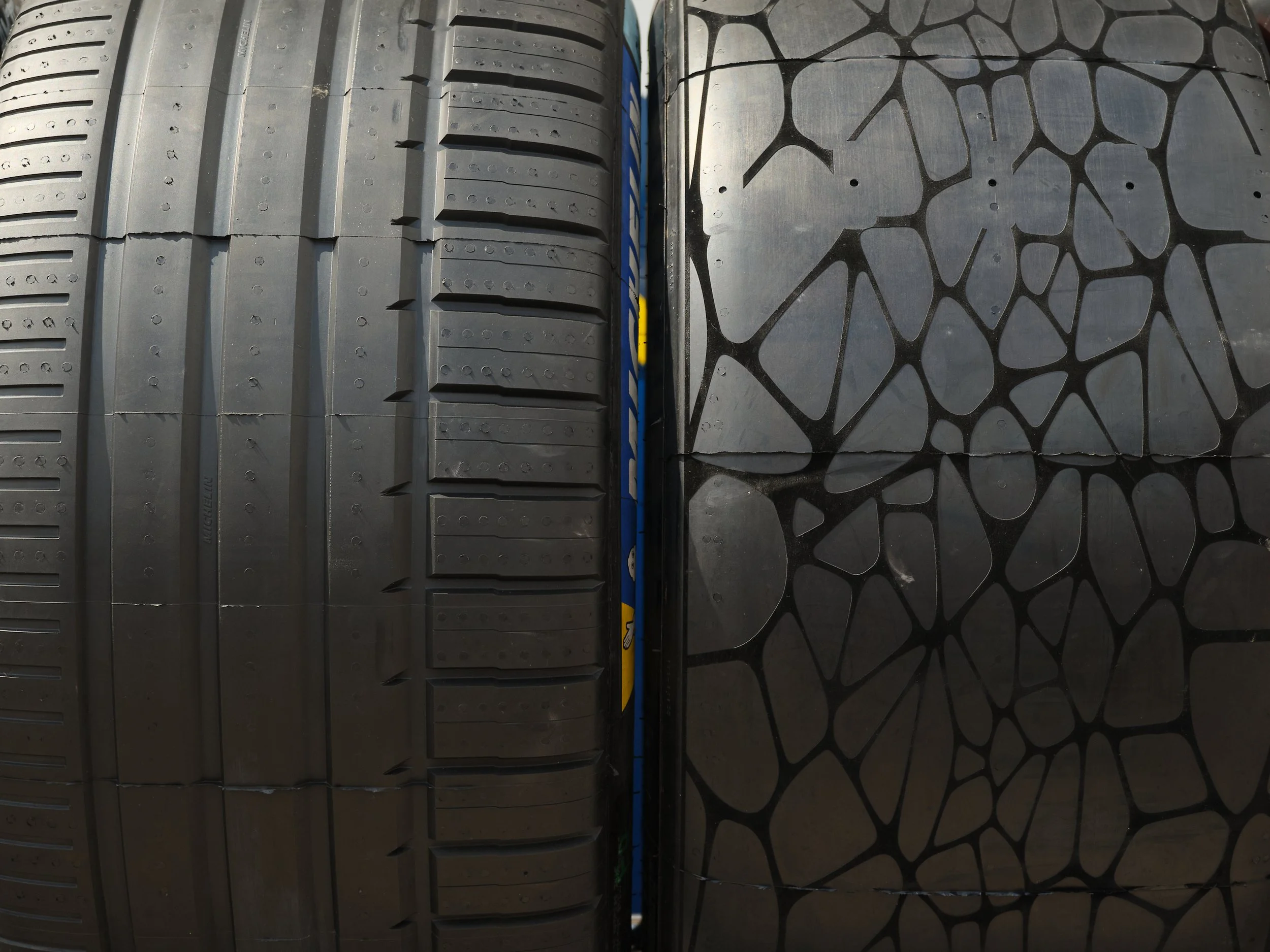
Let’s take a look at the 102-megapixel sensor’s ability to capture details and cropping flexibility.
You cannot appreciate the amount of details being captured while composing a shot, reviewing on the screen, or downloading to an iPhone. Reviewing the RAF raw files in their entirety creates a secondary experience of what was captured. This is a powerful compromise without using multiple cameras or changing lenses.
ISO160 1/600s f/4.5
Original composition using X-Pan 65:24 with 80mm digital zoom.
Cropped at 4:3 aspect ratio in Capture One.
The most demanding test for the GFX100RF was panning for action shots. This is not a high speed camera with a lightning quick continuous shutter frame rate, focusing, and shutter triggering. I only experimented with about 30 to 40 shots for panning and maybe 5 images were successful. All images were shot with the 80mm digital teleconverter, ND filter, and Auto-focus locked.
Yes, panning with a rangefinder fixed lens camera received a few looks from other photographers! : )
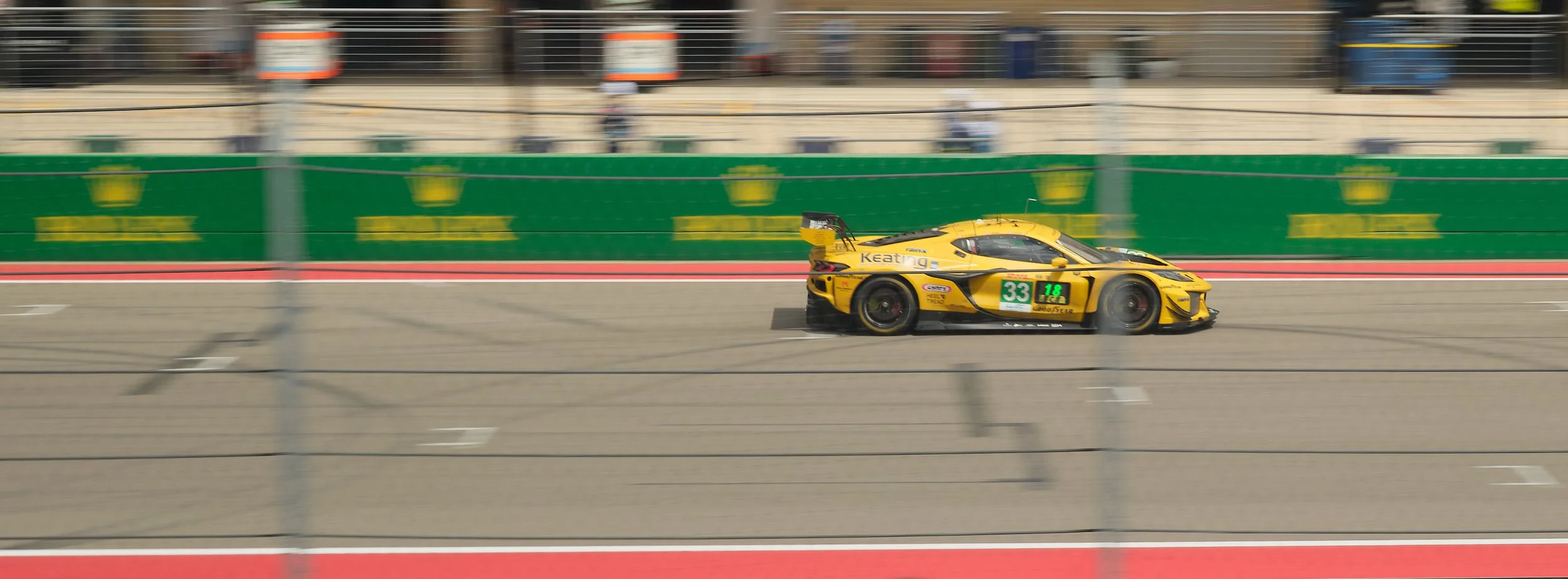
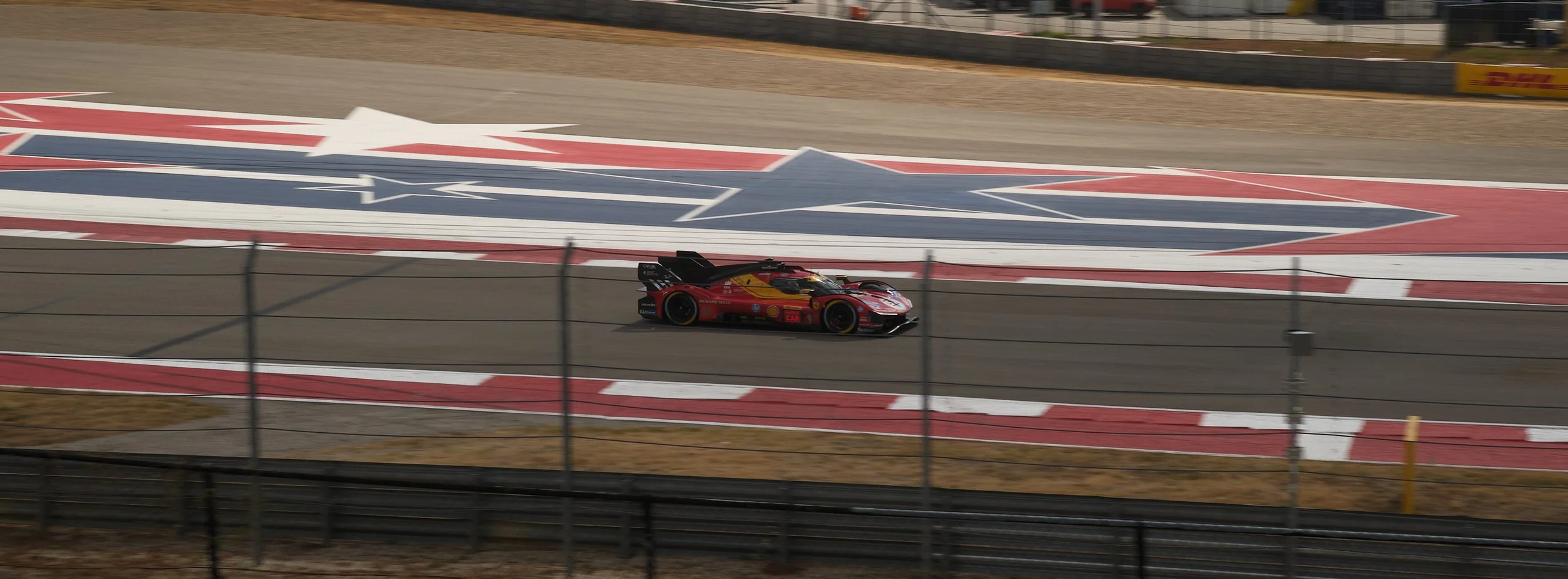
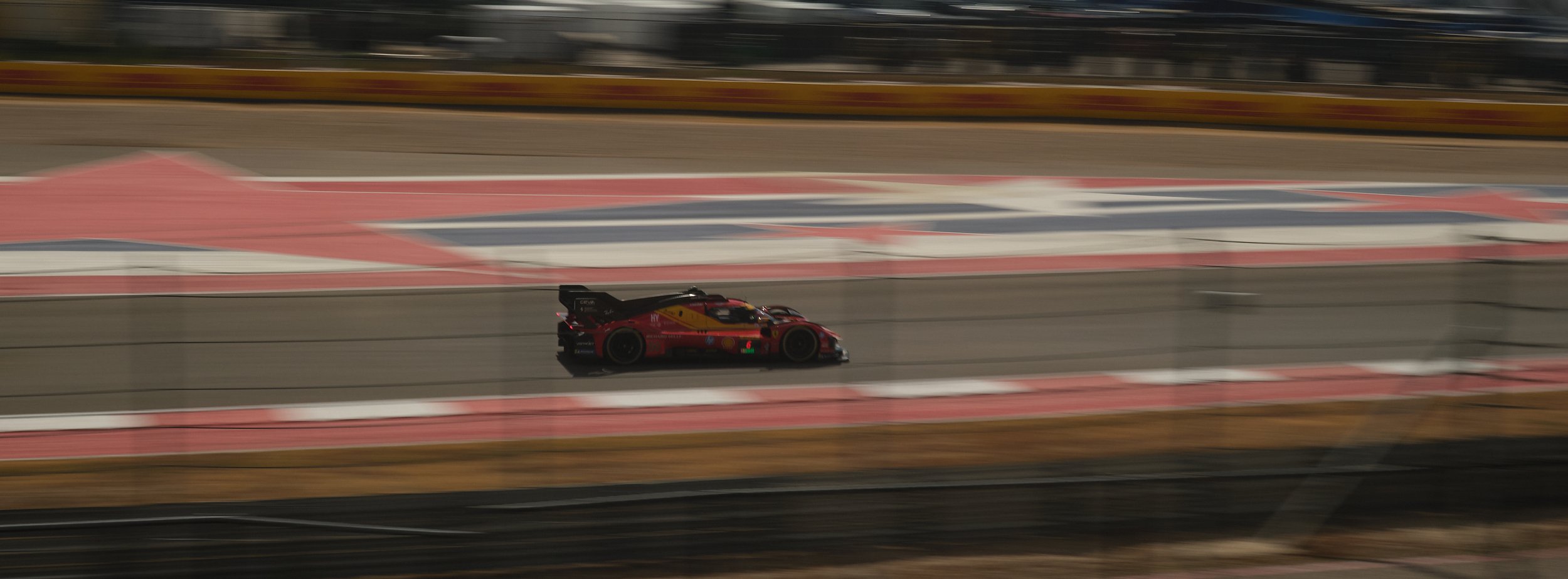
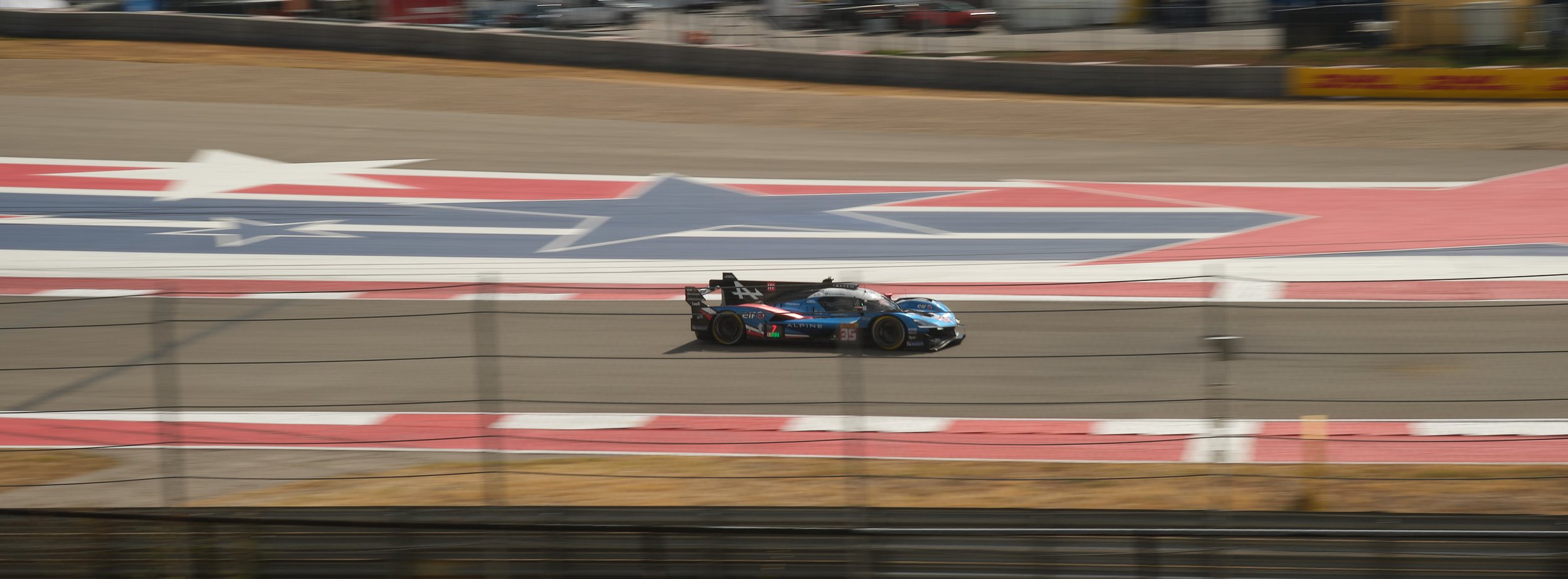
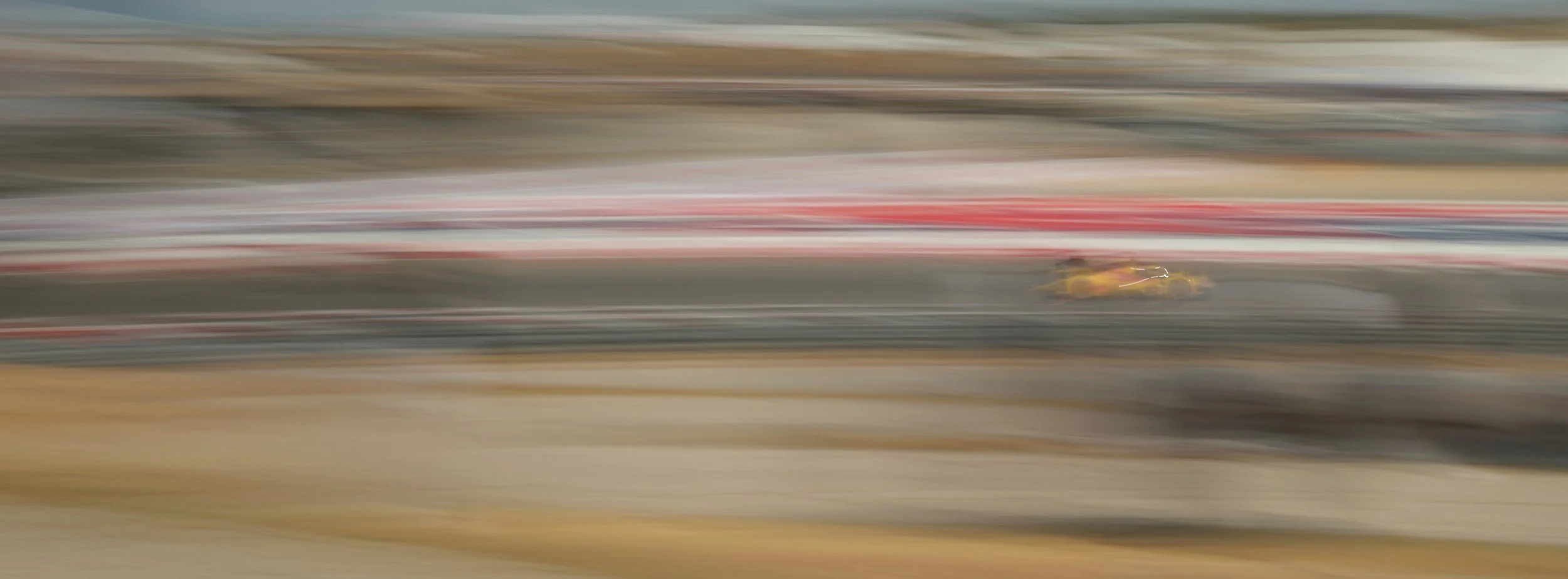
Yes, there were compromises but pushing the performance of this camera was fun!
Positioning and timing were important, while the digital teleconverter offered additional framing options at the expense of resolution.
Over two days shooting 320 images, it was less about capturing every moment on track and more about discovering what could be accomplished with a fixed lens camera. The GFX100RF may not be a traditional motorsport camera, but that was precisely the appeal.
It was a great weekend of racing in the Texas sun!